The daytime temperatures remain around 37°C, but there are signs that changes are coming.
According to local bird experts some migratory birds have already left for Africa, after a dry spring/summer the lack of insects led to a poor breeding season for Hirundinidae, including our swallow, let’s hope they can have a more successful season next year.
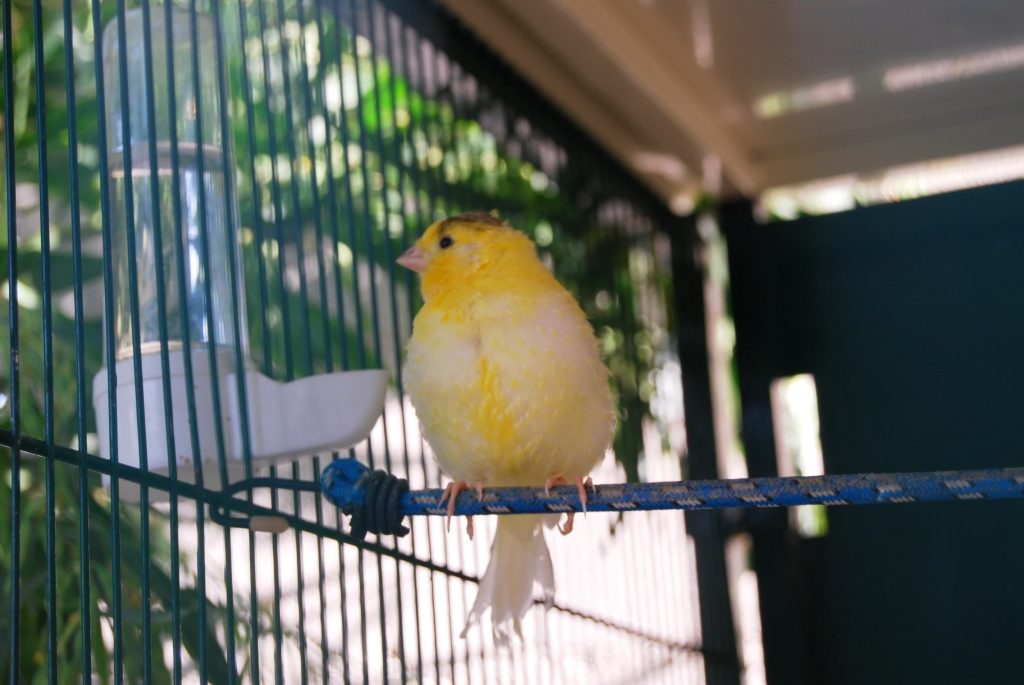
The red canary and another have succumbed to what ailed them, I still believe the problem is either canary pox or air sac mites. I have another bird which is having respiratory difficulties, I feel quite helpless.
Earlier in the year there seemed to be far more swifts evident and on a couple of visits to Almería on the E15 autovia, the swifts were swooping down onto the road in their hundreds, we avoided them, but nonetheless swift bodies littered the road.
This morning 30 to 40 bee-eaters were swooping low over the garden trilling and warbling, there was a warm breeze and the birds were obviously enjoying the extra dynamics the gusts were causing.
As we were going to the coast for lunch, we decided to make a detour towards Turre to buy some spices to make curry paste, we spotted a fire on the hillside towards Bédar, a mountain village popular with “rich” expats. Below is a montage of the stills and very short videos we managed to get with our mobile phones. (We should take a camera with us all the time and apologies for the video quality).
According to the Spanish press, during the afternoon, there was 50 fire-fighters and 14 aircraft using various methods to tackle the blaze.